Stan Economy: Inside the Surprisingly Lucrative World of Getting Paid to Obsess Over Famous People
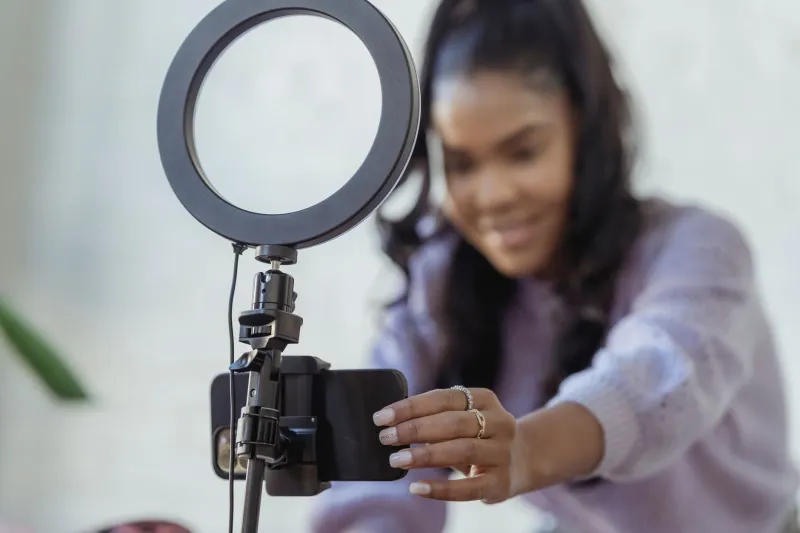
Kayla runs three fan accounts, a Patreon with 1,400 subscribers, a weekly podcast with a loyal audience of about 22,000 listeners, and a Discord community she describes as "a second family for people who just get it." She works about 50 hours a week. She pays her rent with it.
The subject of all this activity? A pop star she has never met, exchanged a single word with, or received any acknowledgment from whatsoever.
"People think it's parasocial in a sad way," she says. "But I built a real community. I built a real business. The celebrity is kind of just... the organizing principle."
Welcome to the stan economy — one of the weirder and more fascinating financial ecosystems to emerge from the last decade of internet culture.
From Fandom to Full-Time
The infrastructure for professional fandom has been quietly assembling itself for years, but it's only recently that the money has gotten serious enough for people to quit their day jobs over it.
The pipeline usually looks something like this: a fan account on Instagram or Twitter gains traction by being faster, more comprehensive, or more entertaining than the celebrity's own official channels. That account develops a personality — a voice that audiences connect with. The account owner parlays that audience into a podcast, a YouTube channel, a Patreon, a merchandise line, or some combination of all four.
Reaction content has been particularly lucrative. Watching someone genuinely lose their mind over a new music video or a surprise album drop scratches an itch that casual fans can't always get from their real-life social circles. It's communal enthusiasm, professionally packaged.
"My subscribers aren't paying me to be a fan," says Marcus, who runs a reaction channel focused on a major hip-hop artist and clears a modest but livable income from it. "They're paying me to be the most enthusiastic version of the thing they already feel. I'm performing their feelings back at them in a way that feels validating."
That framing is more self-aware than most, and it points at something real about why this model works.
The Conspiracy Podcast Industrial Complex
Not all professional fandom is warm and celebratory. Some of the most profitable corners of the stan economy are built on speculation, drama, and what can only be described as celebrity conspiracy theory content.
These podcasts and YouTube channels thrive on the gap between what a celebrity presents publicly and what fans believe is "really" happening. Is this couple actually together or is it a PR arrangement? Is this feud real or manufactured? What does this cryptic Instagram caption actually mean?
The engagement numbers on this kind of content are staggering. Audiences aren't just listening — they're commenting, debating, contributing their own theories, and coming back every week for the next installment. The host becomes a kind of celebrity themselves, a trusted interpreter of the celebrity they cover.
The ethical terrain here gets genuinely murky. At what point does fan speculation become harassment infrastructure? When a podcast with 50,000 weekly listeners starts dissecting a celebrity's body language in paparazzi photos to argue she's secretly pregnant, is that entertainment? Journalism? Something else entirely?
"There's a version of this content that's fun and playful and the celebrity in question probably doesn't even know it exists," says one entertainment publicist who asked not to be named. "And there's a version that's essentially a surveillance operation with a theme song. The line between those two things is blurrier than anyone wants to admit."
The Celebrity Side of the Equation
Here's where it gets complicated: the celebrities at the center of these fan economies are not passive bystanders.
Some actively cultivate super fan ecosystems because they understand the commercial value of a deeply invested audience. Leaving cryptic clues in music videos. Rewarding fans who crack codes with early access. Showing up unexpectedly in fan Discord servers. These are deliberate strategies, and they work.
But the relationship is fundamentally asymmetrical. The fan entrepreneur has built their entire brand — and in some cases their entire livelihood — around a person who can, at any moment, change direction, go silent, do something controversial, or simply stop being interesting to the general public. That's a precarious foundation for a business.
Several fan content creators we spoke with described the anxiety of celebrity news cycles in almost financial terms. A scandal doesn't just affect their feelings — it affects their content calendar, their subscriber counts, and their monthly income.
"When something bad happens with the person I cover, I have to figure out really fast whether to address it or stay quiet," one creator admitted. "Either choice has consequences for my audience and my revenue. That's not a fan problem. That's a business problem."
The Monetization of Parasocial Feeling
What the stan economy has really done is identify parasocial attachment as a resource — and then build an entire extraction industry around it.
Fans have always had feelings about celebrities. What's new is the infrastructure for converting those feelings into recurring revenue. Patreon subscriptions. Exclusive Discord tiers. Merch drops. Sponsored content woven into fan podcasts. Some of the larger fan accounts have sponsorship deals that would look completely at home on a mid-size lifestyle influencer's media kit.
The fans paying for premium access to these communities are, in a sense, paying for a more intense version of feelings they're already having for free. The fan entrepreneur's job is to be the most compelling container for those feelings — more comprehensive than a casual fan, more entertaining than the celebrity's own press machine, more emotionally available than either.
It's a strange kind of service economy. And it's growing.
Is There a Ceiling?
The honest answer is that nobody knows. Fan content economies are tied to the celebrity industrial complex in ways that make them simultaneously very stable (people will always have parasocial attachments to famous people) and very fragile (the specific famous person at the center of your brand can implode at any time).
What's clear is that the line between "fan" and "media entity" has dissolved almost completely in some corners of the internet. The super fans who've figured out how to monetize their obsession aren't really fans in the traditional sense anymore. They're publishers. They're podcasters. They're community managers.
They just happen to have gotten into it because they really, really loved someone's album.
Kayla says she's thought about pivoting to a different subject if her current focus ever stops generating content. She's already got a backup celebrity in mind.
"At a certain point," she says, "you realize the passion is real, but the business has to survive regardless. That's just how it works now."