Your Old Tweets Are Auditioning Too: Inside Hollywood's Digital Deep Dive on Rising Stars
Let's say you're 24, you just booked the audition of your life, and the callback went better than you ever dreamed. The director loved you. The producers loved you. Your agent is already talking contracts. Then, three days later, the silence hits — and nobody's returning calls.
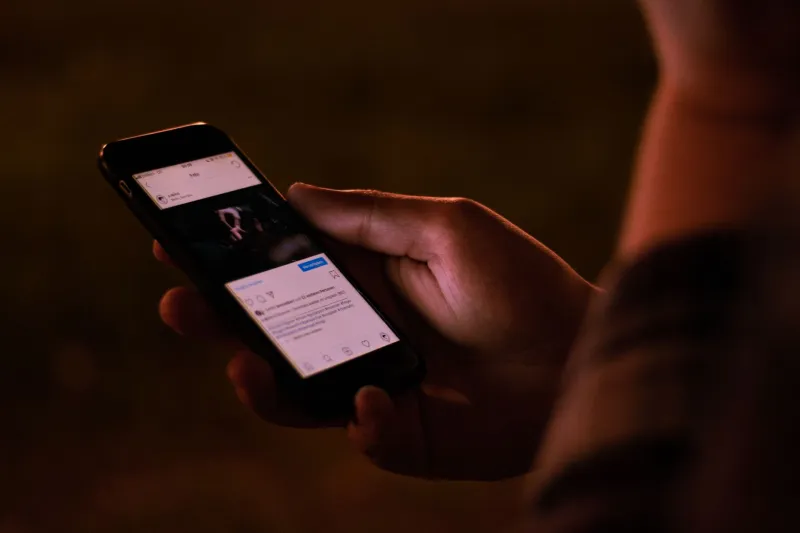
What happened? Somewhere between that callback and the offer, someone ran your name through a search engine. Not just Google. We're talking Wayback Machine deep-dives, archived tweet threads, old YouTube channels you forgot existed, and TikToks you deleted in 2020 because they were cringey, not controversial. It didn't matter. The algorithm remembered. And now, so does the studio.
This is the new Hollywood background check — and it's reshaping careers before they even start.
The Quiet Audit Nobody Talks About
Casting directors have always done their homework. References, reputation, the occasional gossip from mutual industry contacts — that stuff has been baked into the process forever. But what's changed dramatically over the last five or six years is the scope of that homework. Digital footprints don't fade. They index.
Multiple sources inside mid-size production companies — speaking anonymously because, well, nobody wants to be the villain in this story — confirm that social media vetting is now a standard part of pre-offer due diligence for any role with significant visibility. That means lead parts, franchise consideration, brand partnership tie-ins attached to productions. The bigger the machine, the deeper the dig.
"It's not like there's a formal checklist," one casting associate told us. "But before a name goes to the network, someone's doing a pass. Everyone knows it. Nobody says it out loud."
What they're looking for runs the gamut: old racist jokes, homophobic language, sexual comments that didn't age well, politically charged posts that could alienate sponsors, or just anything that reads as a problem waiting to happen. Studios are risk-averse by nature. A potential controversy attached to a rising star is a liability calculation, not a moral one.
The Archaeology of Your Worst Self
Here's the uncomfortable part: most of what gets flagged was posted by teenagers. We're talking 14, 15, 16-year-olds who were doing what teenagers have always done — being stupid, trying to be funny, parroting whatever was edgy in their particular corner of the internet at the time.
The difference now is that those moments are timestamped, searchable, and permanent in ways that no previous generation of aspiring actors ever had to reckon with. A kid who grew up performing on YouTube or building a following on Vine or early TikTok has years of public content sitting out there, and not all of it was thoughtful.
One actor — early twenties, a few solid indie credits, currently navigating the network TV audition circuit — described the experience of realizing old content was being scrutinized as "genuinely destabilizing." Not because anything they posted was egregious, but because the possibility of something being taken out of context had started changing how they moved through the industry.
"I deleted like three years of tweets before pilot season," they said. "Not because I did anything wrong. Just because I couldn't afford the risk of someone deciding something was wrong."
That preemptive self-erasure is becoming its own phenomenon. Young talent scrubbing their histories not out of guilt but out of survival instinct.
Fair Game or Digital McCarthyism?
This is where the conversation gets genuinely complicated, and where reasonable people land in very different places.
On one side: studios are private businesses making enormous financial bets on individuals who will become public faces of their projects. Doing research on those individuals isn't inherently unreasonable. If a post reveals something genuinely telling about a person's character — not a bad joke at 15, but a pattern of targeted harassment, for instance — that's arguably relevant information.
On the other side: the entertainment industry has a long, ugly history of using social pressure and blacklists to police who gets access to opportunity. The original Hollywood blacklist of the 1950s didn't require proof of wrongdoing. It just required suspicion, association, and the willingness of powerful people to close doors. The mechanism was different, but the outcome — careers destroyed before they could begin — wasn't.
Calling today's digital vetting "McCarthyism" might feel like a stretch to some. But the underlying dynamic — where the accused has no formal process, no right of response, and no clear standard for what constitutes a disqualifying offense — rhymes uncomfortably with that history.
"There's no appeals process," one entertainment attorney noted. "If a studio decides a tweet from eight years ago makes someone unhireable, that person may never even know that's why they didn't get the job."
The Double Standard No One Wants to Address
It's also worth asking who this scrutiny actually falls on. Established stars with decades of problematic content — posts that would end a newcomer's shot before it started — continue working at the highest levels. The calculus shifts when you're already a box office draw. Leverage changes everything.
The digital background check, in practice, functions most harshly as a gatekeeping tool for people who haven't yet built enough power to survive it. Which means it disproportionately affects younger talent, people of color navigating an industry that's already harder to break into, and anyone whose internet history reflects the particular cultural context of the communities they grew up in.
That's not a neutral system. It's a system that protects the already-protected and creates new barriers for everyone else.
What Comes Next
There's no clean resolution here. Studios aren't going to stop Googling. Social media platforms aren't going to start auto-deleting old content. And the internet isn't going to develop a conscience about context or nuance anytime soon.
What might actually move the needle is transparency — some kind of acknowledged standard for what constitutes a genuine red flag versus what's just uncomfortable or embarrassing. Right now, the entire process operates in a gray zone where the rules are unspoken, the enforcement is inconsistent, and the consequences are permanent.
For anyone currently trying to build a career in entertainment? The advice from people inside the industry is blunt: audit yourself before someone else does. Not because your past defines you, but because in this business, perception has always mattered more than fairness.
The algorithm remembers everything. The question Hollywood hasn't answered yet is whether that's a feature or a flaw.