Broke on Brand: How Young Influencers Built Empires by Performing Poverty
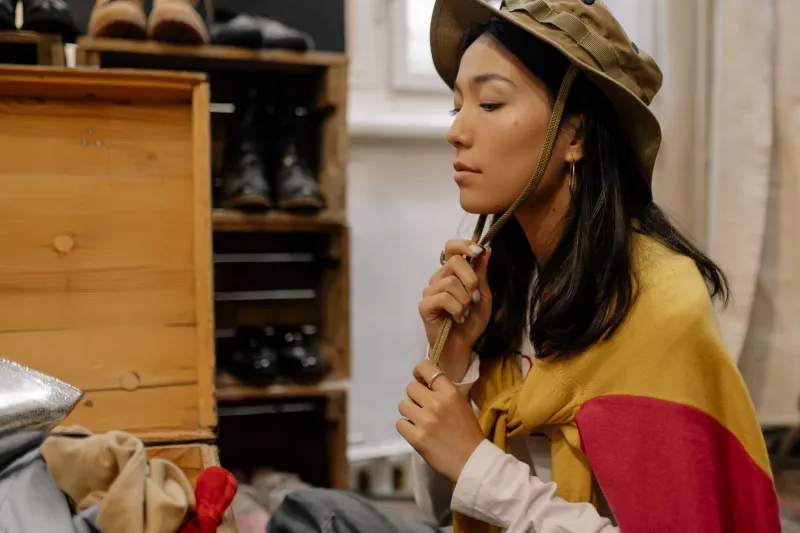
There's a creator you probably follow. Maybe she films herself eating $2 ramen in a studio apartment with mismatched furniture and fairy lights. She talks openly about her credit card anxiety, does dramatic "come thrift with me" hauls at Savers, and posts monthly "realistic" budget breakdowns that make you feel genuinely seen. She's relatable. She's honest. She's you, basically.
She also just signed a $1.8 million deal with a fast-fashion brand.
Welcome to the Authenticity Paradox — one of the most quietly fascinating and deeply weird economic stories playing out on social media right now. A generation of creators has figured out that performing financial struggle doesn't just build audiences. It builds empires.
The "Broke Girl" Industrial Complex
Let's be clear about what we're actually talking about here. This isn't just a few creators being a little coy about their income. There's an entire content genre — thrift hauls, "living on $30 a week" challenges, "soft life on a budget" vlogs, "broke girl summer" aesthetics — that has become one of the most reliably monetizable formats on TikTok and YouTube. The creators at the top of this food chain aren't scraping by. They're thriving, with brand deal portfolios, Substack newsletters, merchandise lines, and affiliate commissions stacking up behind the scenes while the camera rolls on another "honest" trip to the Dollar Tree.
The numbers back this up. Influencer marketing platform data consistently shows that "relatable finance" content drives some of the highest engagement rates in the lifestyle space — often outperforming aspirational luxury content by a wide margin. Brands have noticed. A creator who can make a $25 skincare product feel like a necessity for cash-strapped viewers is worth considerably more than one hawking the same product to an audience that already has a Sephora credit card.
The irony is basically structural at this point: the more convincingly broke you seem, the more money you make.
Why It Works (And Why We Let It)
Here's the uncomfortable psychological truth. Audiences don't just like this content — they need it in a way that feels almost therapeutic. Gen Z entered adulthood during a period of genuine economic chaos. Student debt, housing costs, stagnant wages, inflation — the financial anxiety is real, and it's widespread. When a creator shows up in your feed and says "same, girl, I'm also terrified of my bank account," that's not just entertainment. That's validation.
Dr. Pamela Rutledge, a media psychologist who has studied parasocial relationships extensively, has noted that audiences form stronger bonds with creators who mirror their own struggles. We're wired to trust people who seem like us. The broke-but-surviving aesthetic taps directly into that wiring.
The problem is that the mirror is increasingly fake. And on some level, audiences probably sense it — but the emotional payoff is strong enough that most people don't push too hard on the curtain.
The Cracks Are Starting to Show
Every few months, a callout moment goes semi-viral. A creator gets spotted at a luxury resort the same week she posted about skipping avocado toast to make rent. Someone reverse-image-searches a "thrifted" outfit and finds it on a $300 rack. A leaked brand deal rate card makes the rounds and suddenly that "honest budget breakdown" looks a lot less honest.
These moments tend to follow a predictable arc: initial outrage, a tearful or defensive response video, a brief dip in followers, and then... most people just move on. The audience's appetite for the content is strong enough to survive a lot of cognitive dissonance.
But the accumulation matters. There's a growing contingent of viewers — particularly on TikTok's more cynical corners and on Reddit communities like r/Influsnark — who have become forensically skeptical of this entire genre. They screenshot inconsistencies, track brand deal disclosures, and call out the gap between performance and reality with increasing sophistication. This isn't a fringe group anymore. It's a meaningful chunk of the audience that's aging into active media literacy.
The Disclosure Problem Nobody Wants to Talk About
There's also a legal dimension that tends to get glossed over. The FTC has rules about sponsored content disclosure, and while most savvy creators slap a #ad tag on obvious brand deals, the broader performance of financial relatability exists in a murkier space. If your entire personal brand is built on being economically average — and that brand is itself the product you're selling to sponsors — where does authentic self-expression end and deceptive advertising begin?
It's a genuinely complicated question, and the FTC hasn't caught up with the specificity of it yet. But as influencer marketing matures and scrutiny increases, this gray zone is going to get a lot more attention.
Can the Bit Sustain Itself?
Here's where it gets interesting. The creators who are doing this well — the ones who have turned performative relatability into a genuinely durable career — tend to share one quality: they're not purely faking it. The anxiety might be real even if the bank balance isn't. The thrifting might be a genuine aesthetic preference even if it's also a content strategy. The best of them have found a way to hold both truths simultaneously, and audiences can feel the difference.
The ones who are purely performing, who have no actual connection to the struggle they're selling? Those are the accounts that tend to implode spectacularly when the curtain gets pulled back. Audiences will forgive a lot, but they don't forgive feeling used.
The broader trend isn't going anywhere, though. As long as economic anxiety remains a defining feature of young American life — and there's no particular reason to think it won't — content that mirrors that anxiety will have an audience. The question is whether the creators building careers on that foundation are doing so honestly enough to hold up over time.
Or whether the whole genre is one viral callout thread away from a very expensive reckoning.
The Bottom Line
The Authenticity Paradox is real, it's profitable, and it's weirdly fascinating as a cultural artifact. It says something about what we want from media — not necessarily truth, but the feeling of truth. Not actually shared struggle, but the comfort of believing someone else understands yours.
Whether that's beautiful or cynical probably depends on where you're watching from. And whether or not you just bought something through an affiliate link.