Selling You Real: How 'Authenticity' Became the Most Polished Product on the Shelf
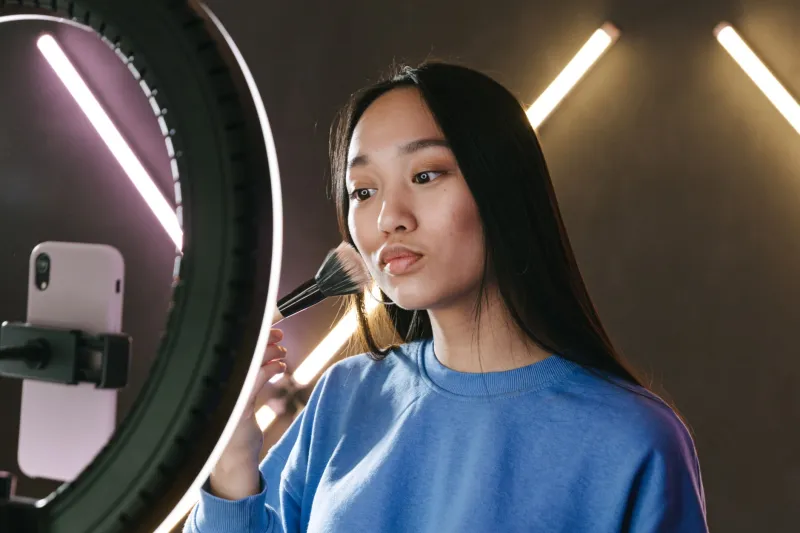
There's a specific kind of Instagram caption that has become so familiar it practically writes itself. Something like: "Not going to pretend everything's perfect right now. Life is messy. But this [insert wellness product] has genuinely helped me show up for myself." It's confessional. It's relatable. It's also almost certainly the result of a six-figure brand deal negotiated by a talent agency.
Welcome to the authenticity industrial complex — where being real is the most expensive thing money can buy.
When Vulnerability Became a Marketing Channel
For most of advertising history, the goal was aspiration. You weren't supposed to relate to the person selling you perfume; you were supposed to want to be them. Glossy, untouchable, slightly European. Then something shifted. Social media handed regular people a megaphone, and suddenly the most relatable voices in any room were drowning out the polished ones.
Brands noticed. Of course they noticed.
By the early 2010s, the playbook had quietly flipped. Authenticity wasn't just a vibe — it was a competitive advantage. Companies started hiring influencers specifically because they felt unscripted. Celebrities began "opening up" about struggles in interviews timed perfectly to album or product launches. And somewhere along the way, admitting you don't have it all figured out became the most calculated move in the game.
The data backed it up. Studies consistently showed that consumers trusted peer recommendations over traditional advertising. So brands didn't abandon advertising — they just disguised it as peer recommendations.
The Vulnerability-to-Sales Pipeline
Let's look at how this actually works in practice, because the mechanics are genuinely impressive in a slightly unsettling way.
Step one: A public figure — celebrity, influencer, even a corporate executive — shares something personal. A mental health struggle. A body image journey. A period of professional failure. The post is emotional, imperfect-looking (though almost certainly shot by someone with a camera that costs more than your rent), and strategically timed.
Step two: The engagement floods in. Comments full of "this is so brave" and "I needed to hear this today." The algorithm rewards the vulnerability with reach, because raw emotional content drives interaction, and interaction is the currency platforms run on.
Step three: Two weeks later, or sometimes embedded directly in the original post, comes the product. A therapy app. A supplement line. A skincare brand. A clothing company built around "feeling comfortable in your own skin." The emotional goodwill generated in step one is now collateral for a commercial transaction.
This isn't cynicism — it's just the pipeline. And it works because the feelings it generates are often genuinely real, even when the framing is entirely engineered.
Corporate America Caught the Feeling Too
It's not just individual creators running this play. Entire corporations have retooled their brand identities around performed imperfection.
Remember when Wendy's started roasting people on Twitter and everyone talked about how "real" and "unfiltered" they were? That was a social media strategy developed by a marketing team. Remember when brands started posting "we messed up" apology threads that read like therapy session notes? That's crisis communications with a feelings layer on top.
Even the aesthetic of authenticity has been commodified. The slightly grainy photo. The "no makeup" look that requires twelve products. The CEO posting a selfie from economy class while flying back from a private island retreat. Imperfection has been so thoroughly styled that it now has its own production budget.
Doveran the whole authenticity wave for over a decade with its Real Beauty campaign — a genuinely groundbreaking concept when it launched in 2004 that also, not coincidentally, sold a lot of soap. The campaign was real and it was marketing. Both things were true simultaneously. That's the paradox at the center of all of this.
What Happens to Actual Realness?
Here's where it gets philosophically weird: does the industrial production of authenticity make actual authenticity impossible to recognize?
When every vulnerable post is potentially a sponsored moment, when every "raw" confession might have a product attached three posts from now, the audience has to develop a kind of emotional skepticism that would have seemed bizarre fifteen years ago. You watch someone cry on camera and part of your brain is already asking: is this real, or is this a setup for a partnership announcement?
Gen Z, to their credit, has gotten sharp about this. The phrase "parasocial" went from academic jargon to everyday vocabulary almost overnight, because younger audiences are increasingly aware that intimacy can be manufactured and that feeling close to someone doesn't mean they're actually being honest with you. They can smell the performance — sometimes. But even the most media-literate viewer gets caught occasionally, because the best performances are indistinguishable from the real thing.
And some of it genuinely is real. That's the maddening part. A celebrity who shares a mental health struggle might be doing it because they're contractually obligated to mention a wellness app, and because they actually went through something hard. The commercial motive doesn't automatically cancel out the human experience. But it does complicate it in ways that are difficult to untangle.
The Exhaustion Is Setting In
There's growing evidence that audiences are starting to hit a wall with all of it. The backlash to overly curated "authenticity" moments has gotten louder. When celebrities post carefully disheveled "just woke up" photos or brands release "honest" campaigns that feel more calculated than their previous glossy ones, people are increasingly calling it out in real time.
The term "performative vulnerability" has entered the cultural vocabulary, which is a sign that enough people have noticed the pattern to name it. And once something gets named, its power diminishes. The grocery store selfie, the no-makeup makeup post, the "I almost quit" career confession — these formats are aging fast because their architecture has been exposed.
What comes after the authenticity era is genuinely unclear. Maybe a return to open artifice — the kind of unabashed, theatrical branding that doesn't pretend to be anything other than a sales pitch. Maybe something more genuinely community-driven that hasn't fully emerged yet. Or maybe the cycle just resets, and a new version of "real" gets packaged and sold to the next generation of consumers who haven't seen this particular trick before.
So What Do We Do With This?
None of this means you have to become a permanently suspicious, joy-resistant media cynic. The point isn't to feel manipulated by everything — that's exhausting and not entirely accurate. Sometimes a brand does something genuinely interesting. Sometimes a celebrity really is just being honest.
But it's worth holding the awareness that "real" has become a genre, not just a state of being. When something feels authentic, it's worth asking who benefits from that feeling and whether the emotion you're experiencing was engineered specifically to get you there.
Being a thoughtful consumer of culture — entertainment, advertising, social media, all of it — doesn't mean being a cold one. It just means understanding the game well enough to decide when you actually want to play it.
And maybe that's the most genuinely real thing any of us can do right now.