Down to Earth, Up to Their Eyeballs in Cash: The Exhausting Performance of Celebrity Relatability
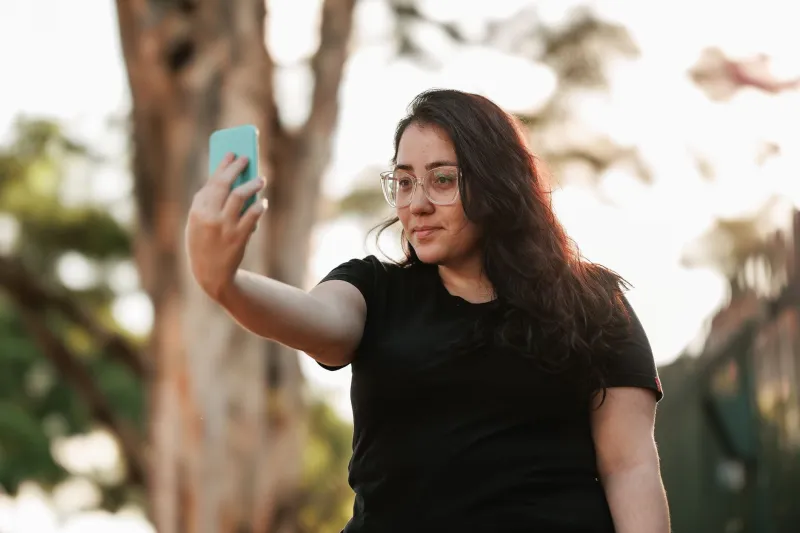
Somewhere right now, a celebrity worth north of $50 million is posting a video of themselves struggling to parallel park. The caption will say something like "me every single time lol" and it will get 2.3 million likes. The car they're parking is a $180,000 SUV. The neighborhood they're parking in is one where the average home costs four times what most of their followers will make in a lifetime.
This is the relatable industrial complex in its purest form. And we've been buying it for a very long time.
But something is shifting. The audience that made this performance profitable is starting to get tired — not just skeptical, but genuinely, visibly exhausted. And the cracks showing up in the relatability machine are worth examining carefully, because they say something real about where celebrity culture is headed.
How We Got Here: A Brief History of Performed Ordinariness
The hunger for celebrities who seemed "real" didn't start with Instagram. It traces back at least to the early days of reality television, when shows like The Real World and later The Simple Life offered audiences the intoxicating premise that you could watch famous or wealthy people navigate actual life — and find them wanting.
There was genuine appetite for the stumble, the awkward moment, the evidence that money and fame didn't insulate you from being kind of a mess sometimes. That appetite was real and it was human. People wanted to feel less alone in their own imperfection, and watching a celebrity burn their toast or argue with their partner scratched that itch in a way that a polished magazine profile simply couldn't.
The problem is that by the time the entertainment industry fully understood what that appetite was worth, the authenticity had already been replaced with a simulation of authenticity. What started as accidental candor became a carefully managed content strategy. The burnt toast was now a prop. The argument was a storyline. The relatable moment was scheduled, lit, and uploaded with a geotag.
The Machinery Behind 'Unfiltered'
The modern relatability machine is a sophisticated operation. Publicists, social media managers, and brand strategists spend considerable time and money engineering moments designed to feel spontaneous. There are whole agencies whose primary service is helping high-net-worth celebrities and influencers maintain the appearance of approachability.
The irony — and it's a rich one — is that performing relatability has become one of the most expensive and labor-intensive things a celebrity can do. A "no-makeup selfie" that reads as casual and unguarded might have gone through three rounds of editing, been timed to drop during peak engagement hours, and been coordinated with a brand partnership that pays a flat fee plus performance bonuses. The authenticity is the product. The ordinariness is the brand.
"Relatability is a marketing strategy now, full stop," says one social media consultant who works with entertainment clients. "We literally have conversations about which kind of relatable content fits the client's demographic. Cooking content tests well with 25-to-34-year-olds. Self-deprecating humor about technology plays with older millennials. It's all segmented."
The audiences consuming this content are, for the most part, not stupid. Many of them understand on some level that what they're seeing is constructed. But the construction has historically been skilled enough, and the emotional payoff real enough, that the deal held.
That deal is wobbling.
When the Mask Slips Publicly
A significant accelerant to audience fatigue has been the growing number of high-profile moments where the relatability performance collapsed in real time — and the internet was there to document every second of it.
The celebrity who posted about "tightening their belt" during economic hardship from a private jet. The influencer whose "affordable" home organization hack featured products that cost more than most people's monthly rent. The musician who gave a lengthy speech about struggling like everyone else at an awards show, then went home to a compound with a full-time staff. Each individual incident might be forgettable, but the cumulative effect has been a slow but steady erosion of the suspension of disbelief that made the whole thing work.
TikTok in particular has become a kind of accountability machine for these moments. The platform's remix and duet culture means that a poorly calibrated relatability post can be annotated, contextualized, and gently destroyed within hours. The comment sections have developed a shared vocabulary for calling out the performance — "this is giving 'let them eat cake'" and "the way they said 'we' like I have a chef" are the kind of responses that now follow celebrities into every future attempt at ordinariness.
The Influencer-to-Celebrity Pipeline Made It Worse
If traditional celebrity relatability was always a little strained, the rise of influencer culture briefly seemed to solve the problem — and then made it significantly worse.
Early influencers genuinely were regular people. The relatability was authentic because the circumstances were authentic. But as the money poured in and the top tier of the influencer economy began generating wealth that rivaled traditional entertainment figures, the same performance problem emerged. Now you had people whose entire brand identity was built on being non-celebrities — on being the person next door — navigating lives that were objectively extraordinary.
The cognitive dissonance required to maintain that brand while flying business class and attending brand trips in Santorini became increasingly visible. Some influencers handled the transition gracefully, openly acknowledging their changed circumstances and evolving their content accordingly. Many did not, and the audience noticed.
What Comes After Relatable?
The interesting question isn't whether the relatability industrial complex is declining — it pretty clearly is, at least in its current form. The interesting question is what replaces it.
There's a small but growing counter-trend of celebrities and creators who've abandoned the pretense entirely and leaned into the absurdity of their actual lives. The ones who post about their problems with their second home, or joke openly about the surreal weirdness of being wealthy and famous, are finding audiences that appreciate the honesty of the absurdity more than they ever appreciated the performance of normalcy.
There's also a renewed appetite for genuine expertise and craft — audiences gravitating toward creators who are interesting because they're actually exceptional at something, rather than because they've successfully convinced you they're just like you.
The relatability era isn't over. But its golden age — the period where simply performing ordinariness was enough to build a brand and a business — is looking increasingly like a historical moment rather than a permanent state of affairs. Audiences spent years being sold a version of themselves reflected back in celebrity form. They're starting to want something a little more honest, even if honest means strange.